
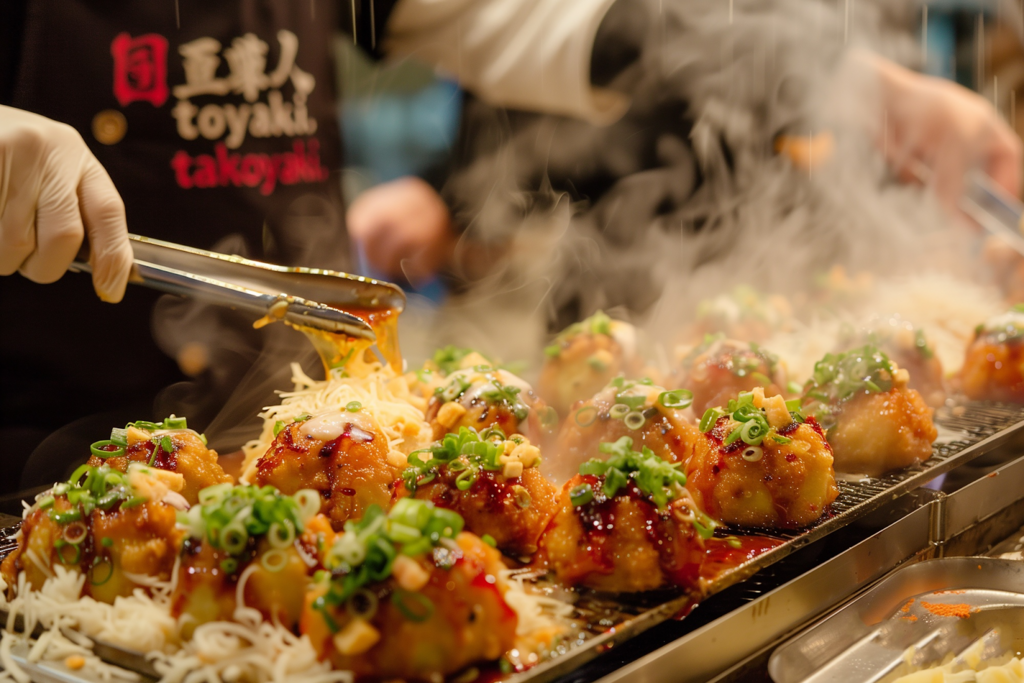
Japan’s street food landscape offers an incredible sensory journey popping with crackling yakitori skewers, clouds of steam rising from takoyaki, okonomiyaki piled high with colorful toppings. Here’s the good news: you can experience every delicious moment without compromising your wellness objectives. The trick lies in strategic substitutions and mindful timing.
This guide walks you through street food Japan selections available everywhere from matsuri festivals to yatai stalls, shotengai markets, and depachika basement halls. You’ll discover Japanese street food healthy options that deliver genuine satisfaction, healthy food choices in Japan tailored to diverse needs (whether you’re chasing protein, reducing sodium, or eating vegetarian), plus what to eat in Japan healthy during those long walks between vendors.
We’ll also highlight healthy Japanese snacks at convenience stores that transform good street-food adventures into exceptional ones.
Before we examine individual dishes, rethinking your approach to street-food consumption in Japan simplifies every decision while amplifying enjoyment.
A Smarter Street-Food Philosophy for Japan (keep the joy intact)
Japan loses approximately 50,000 farmers annually, with the remaining agricultural workforce averaging over 65 years old. This reality nudges many vendors toward quicker, oil-heavy, sauce-laden offerings that require less manual labor. But that doesn’t sentence you to poor choices, it simply means your “prioritize-protein, pause-between-stops” framework becomes critical.
Managing hydration and heat exposure (especially summer matsuri)
Reach for mugicha (barley tea), green tea, or sparkling water. Steer clear of sweetened beverages that trigger subsequent cravings. Counter salty bites with unflavored liquids to sidestep bloating and headaches during extended festival circuits.
A japan data esim proves invaluable here, keeping you connected to translate unfamiliar drink labels instantly and locate nearby water stations while navigating crowded vendor rows and unfamiliar neighborhoods.
Once you’ve internalized these mindset shifts and pacing techniques, we can move to the actual foods waiting at nearly every turn beginning with the most reliable healthy wins.
Adapting “Hara hachi bu” for festival eating portion strategies that feel effortless
Split skewers and okonomiyaki with your travel partner. Commit to just one fried selection per vendor, then rotate to grilled or steamed alternatives. Build in 10–15 minute walks between stops. This resets your appetite signals and prevents autopilot snacking.
Your simple blueprint for healthy food choices in Japan
Start with lean protein fish, squid, chicken, or tofu works perfectly. Layer in vegetables, seaweed, or fermented accompaniments. Select one manageable carbohydrate: onigiri, roasted sweet potato, or a modest soba portion. Round out with unsweetened tea or plain water. This straightforward pattern maintains consistent energy without the sluggish feeling.
Top Healthy Street Food Japan Options (ranked by availability)
Grilled and skewered champions (lean protein, minimal added fat)
Yakitori should be your default selection. Specifically, request “shio” (salt preparation) rather than tare sauce, and favor leaner cuts or negima (scallion-threaded chicken). Grilled squid (yaki-ika) brings substantial protein with negligible oil just ask them to go light on sauce. Whenever grilled mackerel or sanma appears, seize it for omega-3 advantages, though monitor the potentially salty glaze.
While skewered proteins deliver leanness with minimal oil, Japan’s steamed and simmered street offerings provide equally comforting nourishment particularly valuable during cooler weather.
Steamed, simmered, and broth-centered choices with portability
Oden stands out brilliantly: prioritize daikon, konnyaku, tofu, eggs, and fish cakes. Sip the broth conservatively to control sodium intake. Seek veggie-packed nikuman (steamed buns) in compact sizes. Miso-foundation soups from depachika stations provide warmth plus protein just track your cumulative salt consumption throughout the day.
Moving beyond hot preparations, Japan’s fermented street selections tap into the popular “microbiome-supportive” movement while introducing authentic flavor complexity to your tasting route.
Fermented and digestive-friendly bites (leveraging the “gut health” trend)
Natto mini containers from local markets supply rapid high-protein fuel. Tsukemono (pickle assortments) in controlled portions complement tea beautifully. Select amazake (fermented rice beverage) with restricted added sweeteners for gentle sustained energy.
Alongside fermented selections, seaweed-focused options provide rapid fullness, critical minerals, and virtually zero regret ideal for spanning longer intervals between vendors.
Seaweed and “trace-mineral snacks” (light yet filling)
Nori-wrapped onigiri filled with salmon, modest tuna-mayo, or umeboshi offer portability and satiation. Bypass fried centers. Wakame or mozuku cups (when you spot them) contribute fiber with essentially no calories. Go for kombu snacks featuring reduced sugar and sodium.
Equipped with everyday fundamentals, you’re prepared to navigate the most challenging, temptation-packed setting: matsuri festivals, where masses of people and aromatic smoke test even determined planners.
Japanese Street Food Healthy Options at Festivals (matsuri) smarter selections at packed stalls
Okonomiyaki and yakisoba healthier modifications that preserve authenticity
Request additional cabbage in your okonomiyaki, reduce mayo and sauce coverage, incorporate seafood, and divide the serving. With yakisoba, emphasize vegetable-dense preparations, moderate sauce application, and decline extra fried additions.
After customizing those griddle favorites, takoyaki poses a comparable challenge yet thoughtful portion management allows those crispy octopus spheres to fit your plan comfortably.
Takoyaki minus the “calorie guilt” phenomenon
Order 4–6 pieces rather than a complete tray and share them. Decline supplementary mayo, enhance with aonori (seaweed flakes) and bonito, and accompany with water or tea to moderate your eating speed.
When fried-food desires intensify at festivals, several mitigation approaches let you enjoy karaage or tempura without subsequent regret.
Karaage and tempura limiting damage when fried food becomes irresistible
Select smaller quantities, dab excess oil with a napkin, and pair with salad or vegetable sides when feasible. Favor fish or vegetable tempura over mixed fried platters, and skip creamy accompaniments.
Festival specialties excel in flavor and cultural experience, but Japan’s convenience stores and depachika offer surprisingly powerful nutritional upgrades that elevate good street-food days to exceptional ones.
Convenience-store and market supplements that enhance street-food meals
The “combini companion” roster for healthy Japanese snacks
High-protein essentials include boiled eggs, Greek-style yogurt, edamame packages, and grilled chicken portions. Fiber sources encompass salad cups, seaweed salads, pre-cut fruit, and roasted sweet potato (yaki-imo). Opt for unsweetened teas, sparkling water, and black coffee to scrutinize labels for concealed sugars.
While convenience stores address immediate protein and fiber needs, department store food halls elevate your healthy street food approach with premium-quality, ready-to-eat selections. Japanese agricultural export value has doubled across the past decade, surpassing 1 trillion yen (US$6.8 billion) initially in 2021, bringing expanded variety and enhanced quality to depachika displays.
Depachika (department basement food halls): premium what to eat in Japan healthy selections
Choose sashimi packages, grilled fish bento boxes, tofu or soy accompaniments, and vegetable-focused deli combinations. Construct your own balanced composition: one protein component plus two vegetable sides plus a limited rice portion.
Understanding what to purchase represents half the challenge; knowing how to request healthier preparations unlocks customization most visitors never realize exists.
Ordering Phrases for Healthier Street Food and speak like a local
Essential requests for reduced sauces, lower salt, and added vegetables
Try “Sōsu sukuname” (reduced sauce), “Shio de” (salt preparation), or “Mayo nashi” (skip mayo). Request “Yasai ōmori” (extra vegetables) wherever applicable. Most vendors respond accommodatingly, though crowded festival stalls may offer restricted customization.
After mastering several fundamental phrases, quickly interpreting stall signage and packaged labels guarantees informed decisions even amid crowded, fast-moving marketplaces.
Decoding stall menus and package labels rapidly (allergy, sugar, and sodium indicators)
Memorize key terms: age (fried), amai (sweet), shio (salt), tare (sauce). Identify hidden sugars in glazes and choose “shio” or lemon iterations when presented.
With ordering capabilities established, you can now calibrate your complete street-food approach to match your particular wellness objective whether that involves fat reduction, muscle support, sodium restriction, or plant-centered eating. Your pacing strategy, straightforward plate structure, and ordering vocabulary combine to make each vendor visit deliberate and pleasurable.
FAQs
- Is Japanese street food healthy compared to other countries?
Japan provides numerous grilled, steamed, and fermented alternatives that naturally contain less fat and fewer calories. Serving sizes typically run smaller, and fresh seafood appears abundantly, simplifying the search for nutrient-concentrated choices.
- What are the healthiest Japanese street foods for weight loss?
Yakitori (salt preparation), grilled squid, oden featuring tofu and daikon, nori-wrapped onigiri with straightforward fillings, and seaweed salads maintain low calories and fat while supplying protein and fiber.
- How can I eat healthy at a Japanese festival without missing popular foods?
Share servings, limit yourself to one fried selection per location, alternate with grilled or steamed picks, and employ “reduced sauce” phrases. Walk between vendors to control pacing and maintain hydration.
Making It Work, One Stall at a Time
You don’t need to eliminate takoyaki or skip festivals entirely to maintain your health trajectory in Japan. Armed with a straightforward plate structure, several essential phrases, and intelligent pacing between vendors, you’ll relish every bite while advancing your wellness objectives. Street food in Japan represents as much cultural immersion as culinary pleasure, planning thoughtfully, walking frequently, and appreciating the entire experience.











Leave a Reply